1812
Battle of Borodino
A battle in the campaign of 1812 near Borodino. The Julian date of 26 August corresponds to 7 September 1812 in the Gregorian calendar.
Every card is the beginning of a new discovery.
For example: “Which writers studied at the Tsarskoye Selo Lyceum?” The answer uses encyclopedia cards.
Sign in for AI searchA battle in the campaign of 1812 near Borodino. The Julian date of 26 August corresponds to 7 September 1812 in the Gregorian calendar.
 Nature
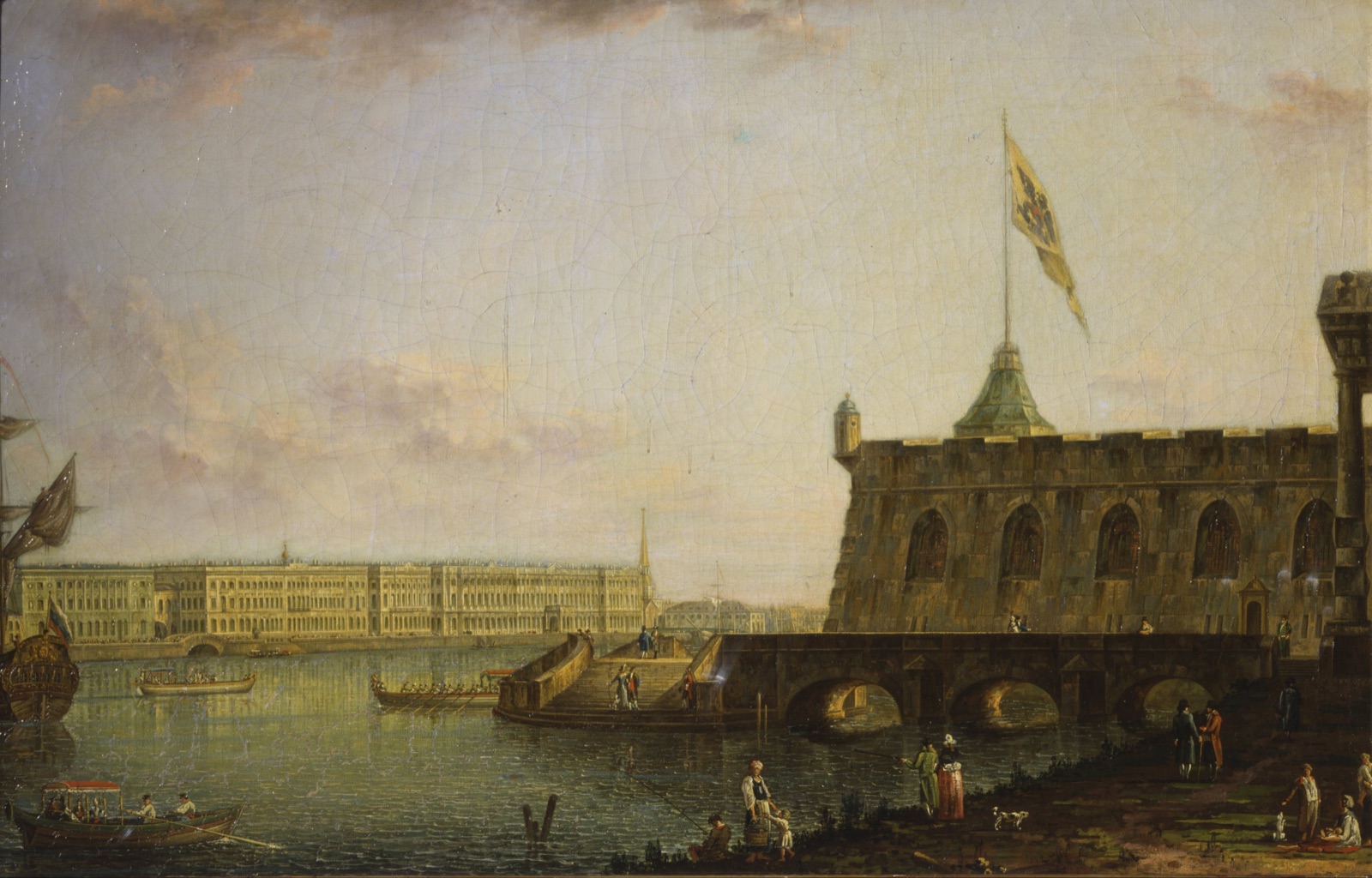
The Neva flows from Lake Ladoga into Neva Bay in the Gulf of Finland. Its delta provided the setting for Saint Petersburg.
The Imperial Tsarskoye Selo Lyceum opened on 19 October 1811 in the Julian calendar. Alexander Pushkin studied here until 1817.
An institution established in 1783 to study the Russian language. Compiling a dictionary was a major task. Alexander Pushkin became a member in 1833.
 People
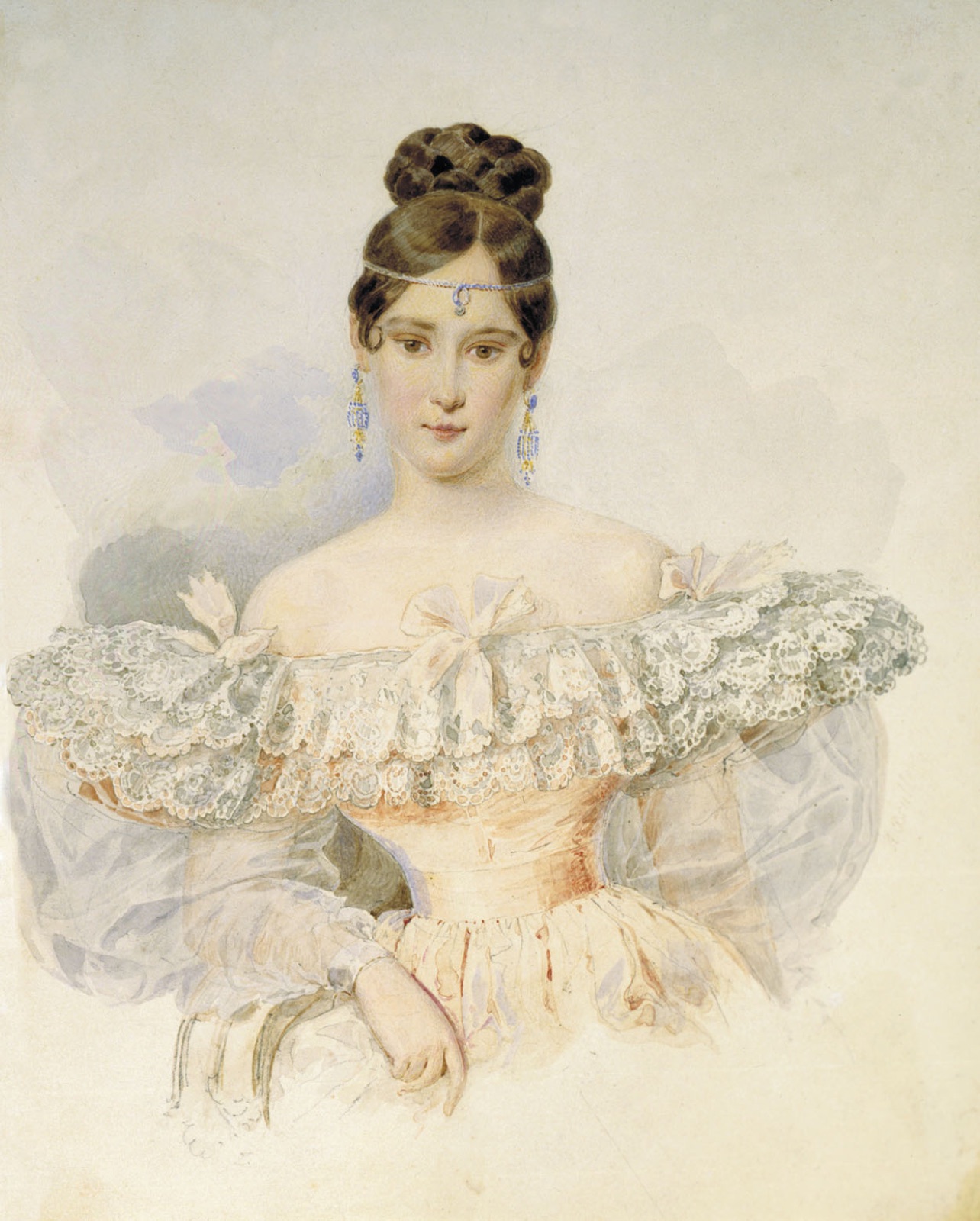
Wife of Alexander Pushkin. They married in 1831 and had four children. Alexander Brullov’s watercolour preserves her appearance in the early 1830s.
Alexander Pushkin’s mother and a granddaughter of Abram Petrovich Gannibal. She owned Mikhailovskoye, the estate associated with the poet’s exile.
 People
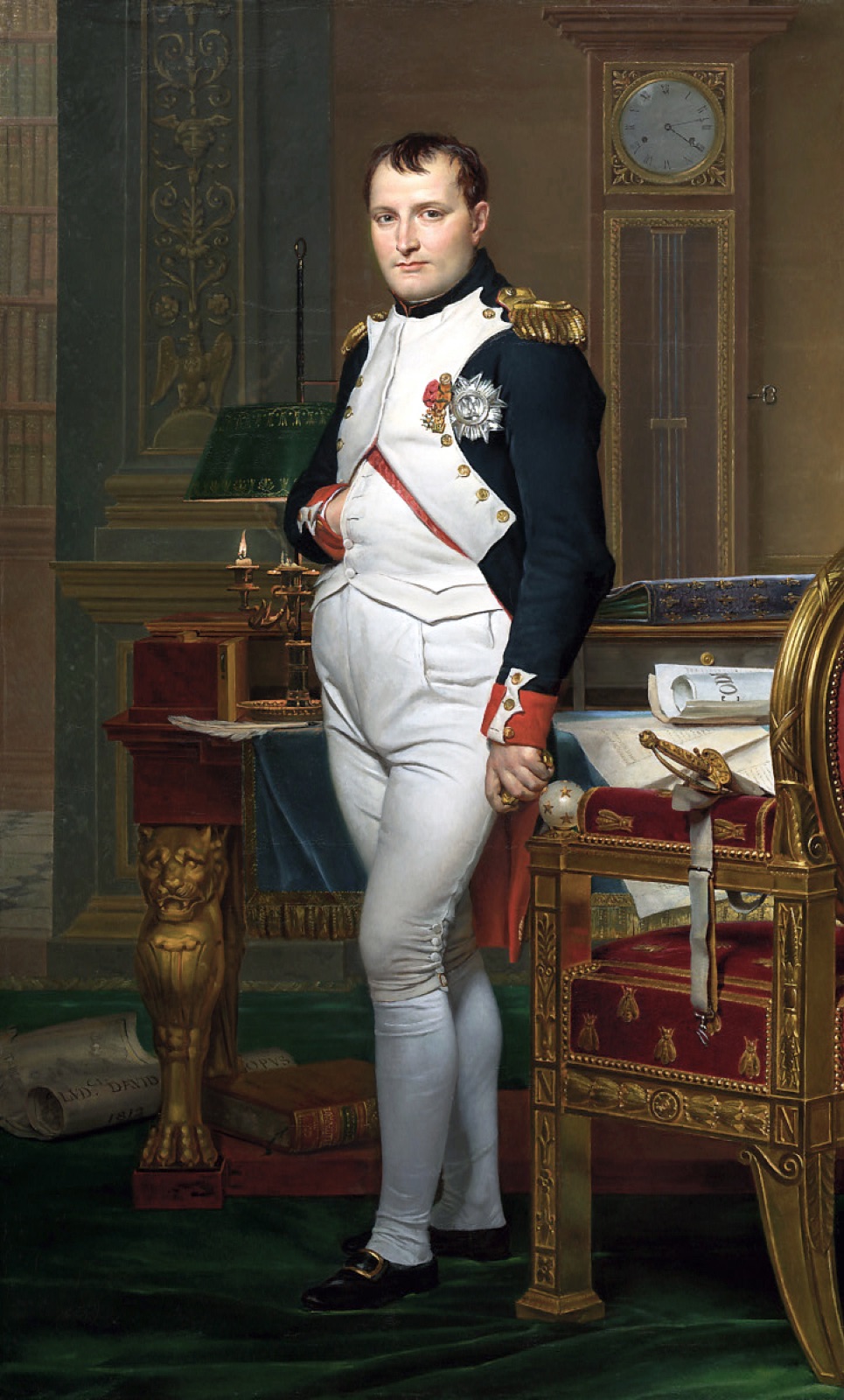
French military and political leader. His journey from Corsica to the imperial throne, wars across Europe and exile on Saint Helena shaped the early nineteenth century.
 People
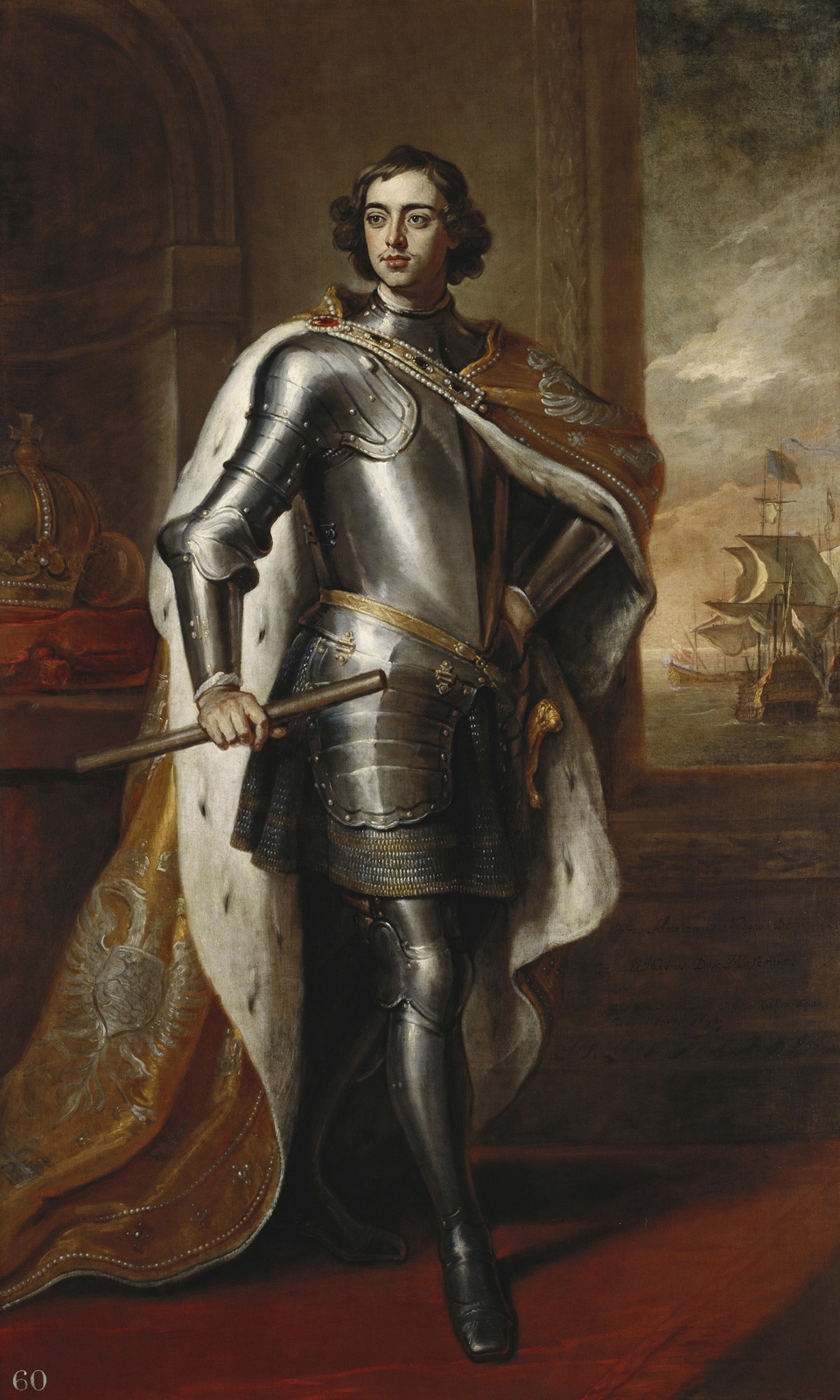
Peter I is associated with the founding of Saint Petersburg and its major urban project on the Neva. Godfrey Kneller painted his portrait during his visit to England in 1698.
 People
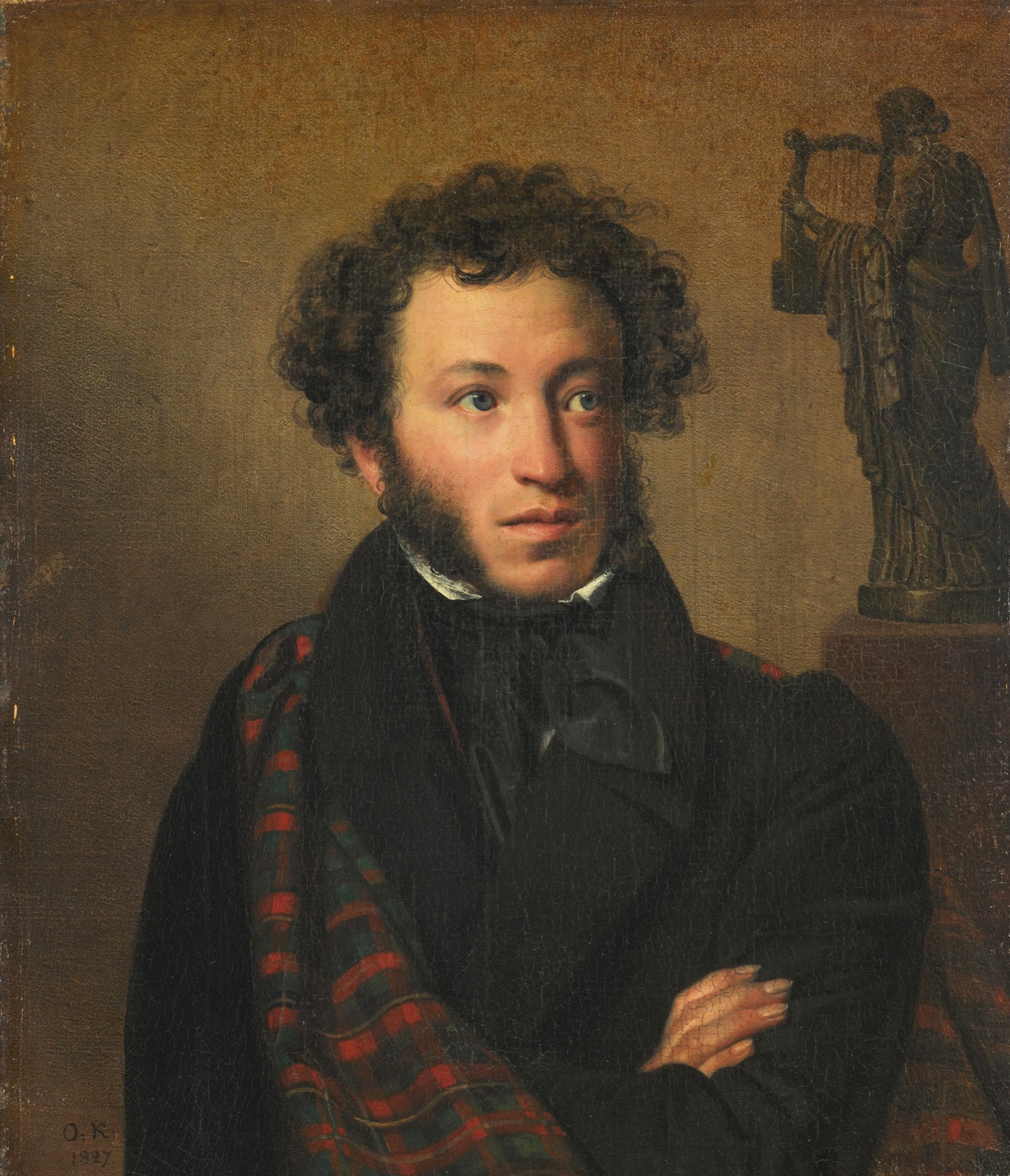
Russian poet and author of Eugene Onegin and The Bronze Horseman. His life connects Moscow, Saint Petersburg, the Tsarskoye Selo Lyceum and Mikhailovskoye — places woven into Russian literary history.
Father of the poet Alexander Pushkin. He served in the military and, after retirement, pursued an interest in poetry.
PlacesA fortress founded on Zayachy Island on 27 May 1703. Its construction is associated with the beginnings of Saint Petersburg.
Pushkin’s mother’s estate in Pskov Governorate. The poet spent his exile of 1824–1826 here and worked on Eugene Onegin and other writings.
 Cities
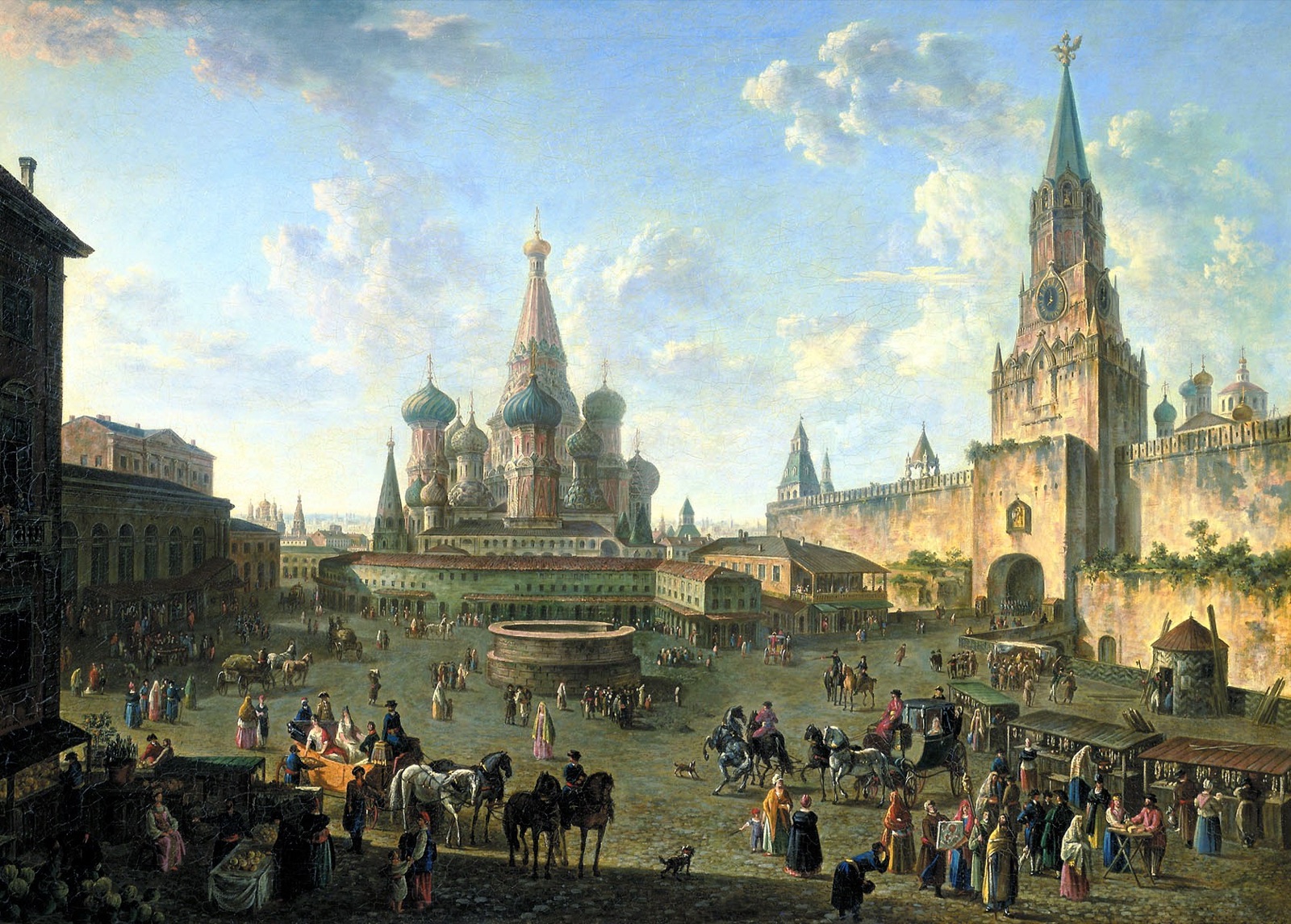
Historic city and birthplace of Alexander Pushkin. The Kremlin and Red Square form an architectural ensemble on the UNESCO World Heritage List.
Paris’s history can be traced through its riverbanks, palaces and public spaces. The banks of the Seine are on the UNESCO World Heritage List.
CitiesFounded by Peter I in 1703, the city’s rivers, canals and architectural ensembles connect its history with the sea, science and literature. Its historic centre is a UNESCO World Heritage Site.
A territorial record linked to Paris and Napoleon’s history. Events of the imperial era retain their historical state context.
A territorial record for the present-day Russian Federation. Historical states and periods require their own dated relationships rather than being replaced by modern borders.
WorksA poem by Alexander Pushkin written in 1833. Its title evokes one of Saint Petersburg’s best-known images.
A prose work by Alexander Pushkin dated 1836. It has its own record, linked to the author through an authorship relationship.
Alexander Pushkin’s novel in verse. Central chapters were written at Mikhailovskoye, linking literary history with the author’s biography and places of residence.