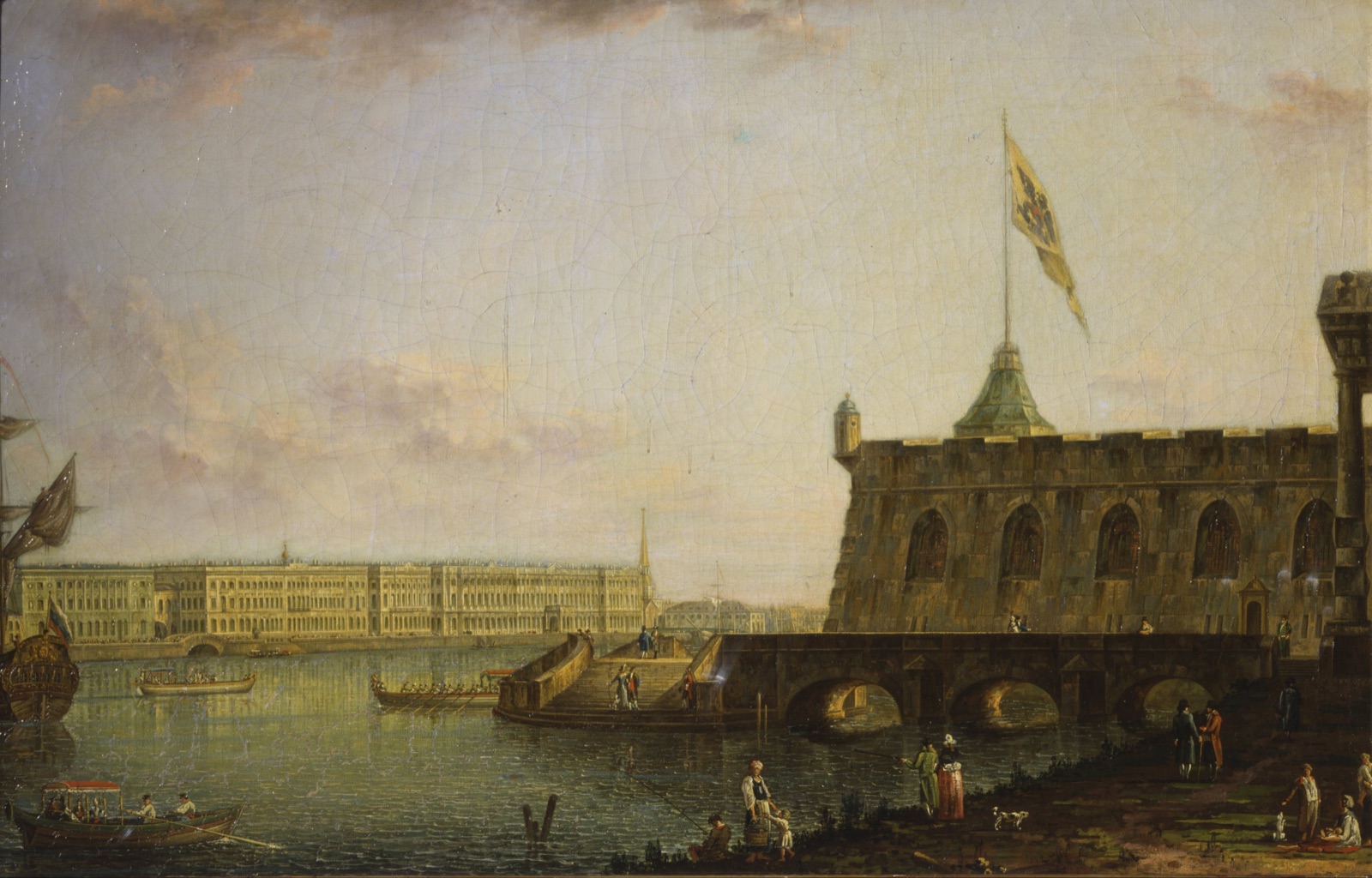
Founded by Peter I in 1703, the city’s rivers, canals and architectural ensembles connect its history with the sea, science and literature. Its historic centre is a UNESCO World Heritage Site.
Nature and environment
The city lies at the mouth of the Neva beside Neva Bay in the Gulf of Finland. Waterways shape its layout, making flood protection an important part of its infrastructure.
Population and society
Current population figures and demographic composition are not included in the initial dataset. Every future figure will retain its observation year and source.
Culture and history
The city’s history begins with the fortress on Zayachy Island. Baroque and neoclassical architecture coexist in a historic centre of palaces, embankments and civic ensembles.
Infrastructure
The seaport connects the Neva estuary with the Gulf of Finland. The flood barrier combines dams, water passages, navigation openings and transport infrastructure.
Economy
Port activity is documented by Rosmorport. A comparable economic overview still requires dated indicators and separate records for businesses.
Civic life
Elections, civic associations and local government require a separate current source collection. Historical material is not presented as the present situation.
Government
Saint Petersburg is a separate federal subject of the Russian Federation. It is not part of Leningrad Oblast; the administrative hierarchy reflects this distinction.